Our Programs
We offer structured, hands-on learning programs designed to build strong technical foundations and real-world skills across STEM and engineering domains.
STEM Workshops (For School Students)
1. Smart Electronics for Smart World
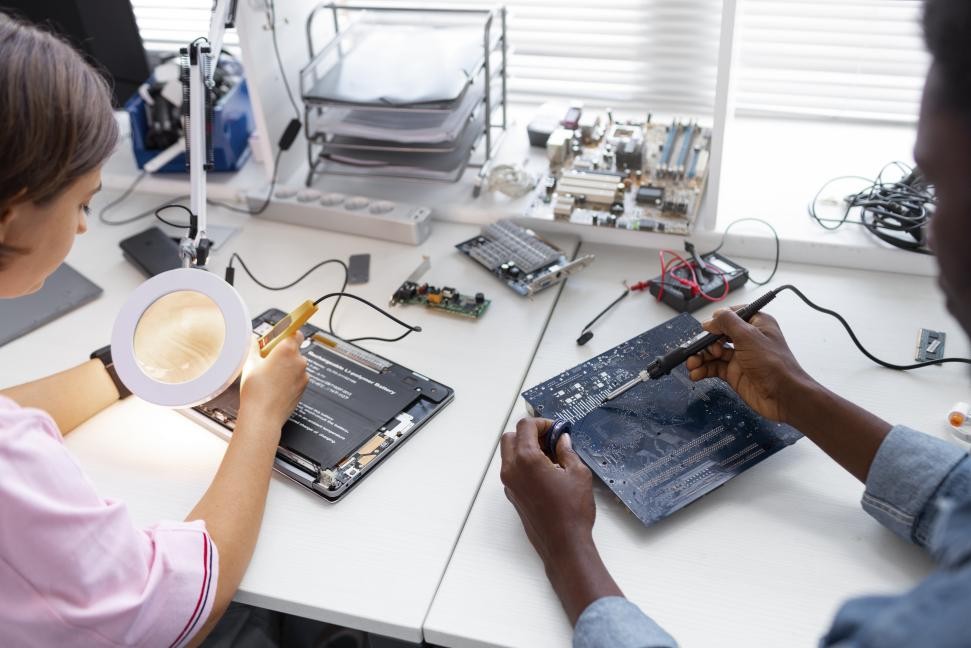
We serve as a one-stop destination for hands-on learning and innovation across multiple engineering disciplines. Through the Smart Electronics for the Smart World workshop, students explore cutting-edge technologies such as Embedded Systems, Internet of Things (IoT), and Artificial Intelligence (AI). Learners gain practical experience in coding, building electronic circuits, developing smart connected systems, and designing functional hardware models—guided by experienced technology mentors. This workshop empowers students to understand how intelligent devices sense, connect, analyze, and respond in real-world smart applications.
2. Robotics and Automation: A Hands-On STEM Workshop
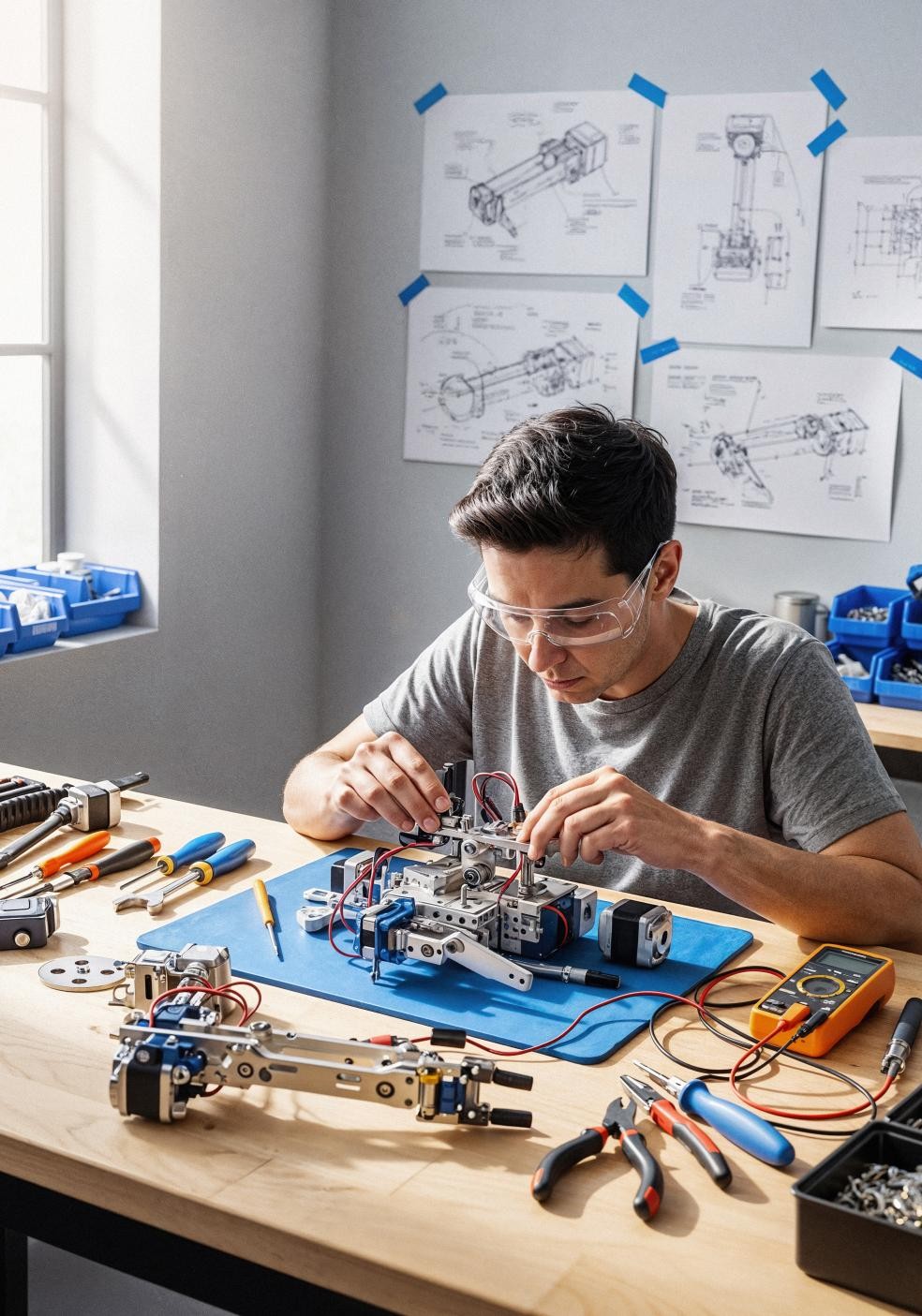
This workshop is designed to introduce students to the exciting world of robotics through practical learning experiences. This workshop helps students understand how robots are designed, built, and programmed to perform real-world tasks. Participants will gain hands-on experience with basic electronics, sensors, actuators, and microcontrollers while learning how automation plays a vital role in modern technology. Through guided activities and live demonstrations, students will develop problem-solving, logical thinking, and teamwork skills. This workshop encourages curiosity and innovation, inspiring students to explore STEM fields and build a strong foundation for future studies and careers in engineering and technology.

3. Coding Games/App Development: A Hands-On Python Workshop
This hands-on coding workshop introduces students to the fundamentals of programming through the exciting process of
building their own games and simple applications. Learners explore core concepts such as variables, loops, conditional statements,
and functions by applying them in interactive, real-world projects.
Participants gain practical experience in designing games, developing basic applications, adding user interactions, and
implementing essential logic and workflows. With step-by-step guidance and hands-on activities, students strengthen logical thinking,
creativity, and problem-solving skills. This workshop is ideal for students who want to learn coding in an enjoyable, meaningful way
while building a strong foundation for Python-based game and app development.
4. Design Thinking through 2D & 3D Modelling
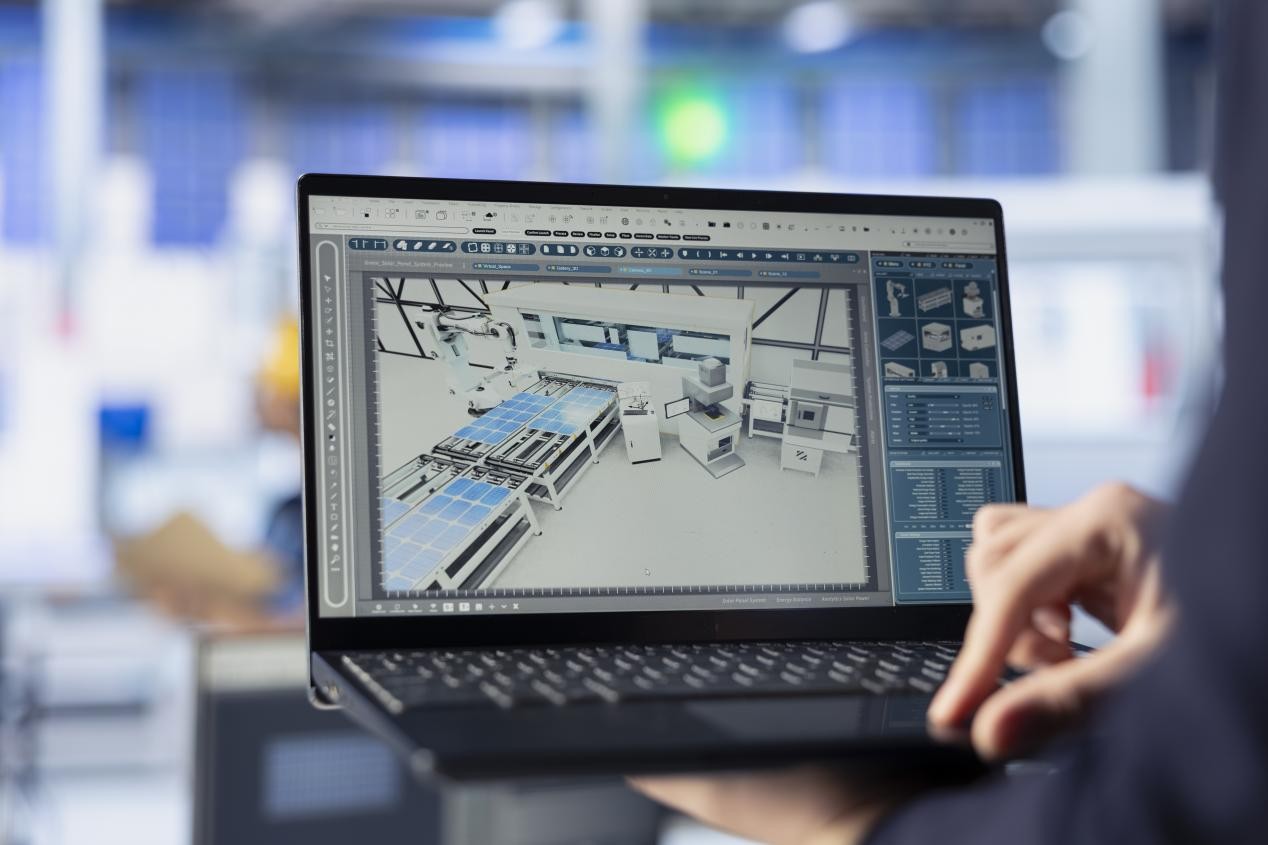
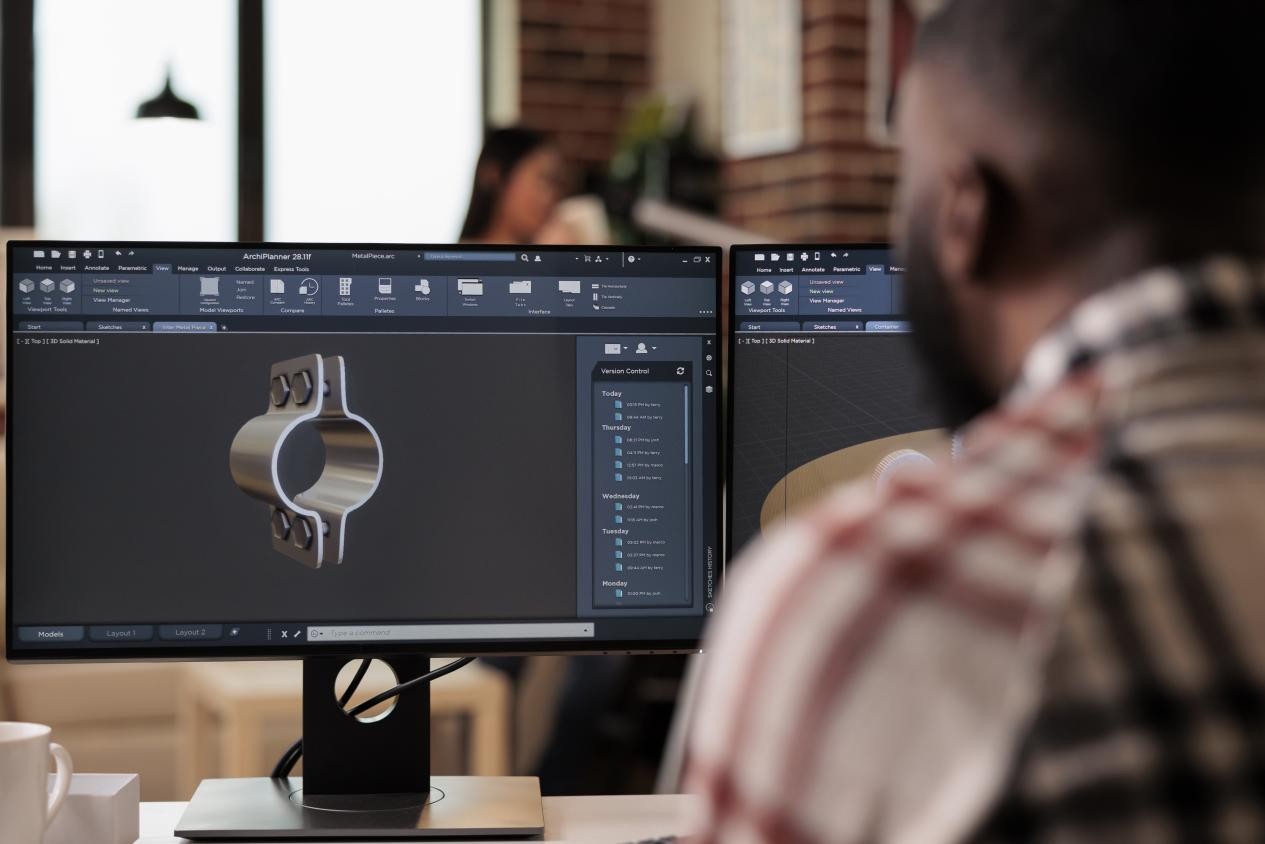
Design Thinking through 2D & 3D Modelling is a hands-on workshop for school students that nurtures creativity, problem-solving, and visualization skills through digital design. The workshop introduces the fundamentals of design thinking and guides students in transforming their ideas into 2D sketches and 3D digital models using intuitive, student-friendly modelling tools. By engaging with simple real-world design challenges, learners develop the ability to conceptualize, design, and visualize objects digitally. This experience fosters innovation, logical thinking, and spatial awareness, while sparking early interest in STEAM education and modern design technologies.
5. Wings of Innovation: Drone Technology Workshop
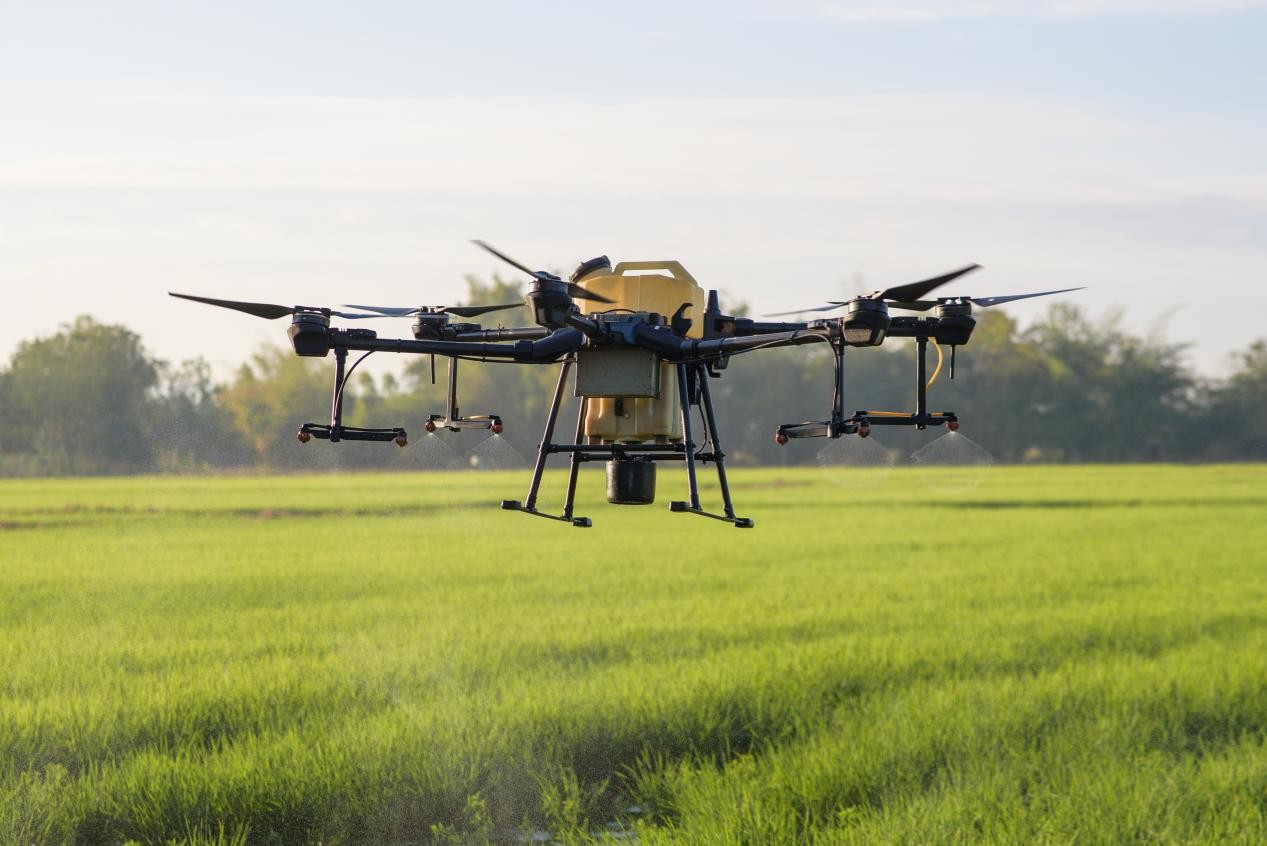
The Drone Technology Workshop is a hands-on STEM learning program that introduces school students to the science and engineering behind drones. Students explore key concepts such as aerodynamics, forces of flight, basic electronics, sensors, and control systems, helping them understand how principles of STEM come together in real-world applications. Through guided activities and demonstrations, students apply logical thinking, problem-solving, and analytical skills while observing how drones are designed, assembled, and operated. The workshop strengthens conceptual learning, promotes innovation, and nurtures interest in STEM careers by connecting classroom knowledge with practical, technology-driven experiences.
Engineering Workshops (For Engineering Students)
1. Embedded Systems and IoT
This workshop is designed to provide engineering students with a strong foundation in Embedded Systems and Internet of Things (IoT) through a balanced combination of theory and hands-on practice. Participants will learn the fundamentals of embedded hardware, microcontrollers, sensors, actuators, and communication protocols essential for modern smart systems. The program introduces popular development platforms such as Arduino, ESP32, and Raspberry Pi, along with IoT concepts including cloud connectivity, data acquisition, and real-time monitoring. Practical sessions focus on interfacing sensors, programming microcontrollers, and building simple IoT applications. By the end of the workshop, students will gain practical skills in designing and implementing embedded and IoT-based solutions, preparing them for industry projects, internships, and research activities in smart technologies.

2. Programming with microcontroller
This workshop introduces engineering students to the fundamentals of PIC microcontroller programming with a strong emphasis on practical implementation. Participants will learn the internal architecture of PIC microcontrollers, pin configuration, and peripheral interfacing required for real-time embedded applications. The program covers programming concepts using Embedded C (MPLAB X IDE) and simulation using Proteus, enabling participants to design, write, compile, and test programs in a virtual environment. Hands-on sessions include controlling LEDs, switches, timers, LCDs, ADC, and basic communication modules. By the end of the workshop, participants will be able to develop, simulate, and debug PIC microcontroller-based applications and gain the confidence to implement them on actual hardware, making this workshop ideal for ECE/EEE students and embedded system beginners.
3. Programming with Embedded RTOS
This workshop provides an in-depth introduction to Real-Time Operating System (RTOS), widely used in automotive, industrial automation, medical devices, and safety-critical systems. Participants will learn the fundamentals of real-time computing and how microkernel architecture ensures reliability, determinism, and high performance. The program focuses on RTOS programming, covering process management, threads, inter-process communication (IPC), scheduling, synchronization, and resource management. Hands-on sessions guide participants through developing and debugging real-time applications using QNX Momentics IDE on target and host systems. By the end of the workshop, participants will be able to design and implement real-time applications, understand timing constraints, and apply RTOS concepts to embedded and safety-critical system development. This workshop is ideal for ECE, EEE, CSE students, embedded developers, and researchers.

4. Getting Started with Circuit and Microcontroller Simulation Using Proteus
This workshop is designed to introduce students and beginners to the fundamentals of electronic circuit design and microcontroller simulation using Proteus Design Suite. Participants will learn how to create, simulate, and analyze analog and digital circuits in a virtual environment, enabling them to test designs before hardware implementation. The workshop covers schematic creation, component selection, and real-time simulation of commonly used microcontrollers such as Arduino and PIC. Through guided hands-on sessions, participants will understand how to write basic firmware, integrate it with simulated hardware, and debug circuits effectively using Proteus tools. By the end of the workshop, participants will be able to design simple electronic circuits, simulate microcontroller-based systems, and gain the confidence to transition from simulation to real-world embedded applications. This workshop is ideal for ECE/EEE students, IoT enthusiasts, and beginners in embedded systems.

5. Front end VLSI Design
This workshop introduces students to the fundamentals of Front-End VLSI Design, focusing on the design and verification of digital integrated circuits. Participants learn core concepts such as RTL design using Verilog/SystemVerilog, logic design, simulation, and functional verification. The workshop emphasizes hands-on learning, enabling students to write, simulate, and debug hardware description language (HDL) code for real-world digital systems. Through guided labs and practical examples, learners gain insight into the complete front-end design flow—from specification and RTL coding to simulation and basic verification. This workshop builds a strong foundation for careers in semiconductor design, chip development, and hardware engineering, and is ideal for students seeking an industry-oriented introduction to VLSI design.
6. Hands-On Networking with Cisco Packet Tracer
Hands-On Networking with Cisco Packet Tracer is a practical, skill-oriented program designed for engineering students to strengthen their understanding of data communications and computer networks through simulation-based learning. The workshop covers core networking concepts such as network models, IP addressing, subnetting, routing, switching, VLANs, and basic network security using Cisco Packet Tracer as the primary tool. Through guided lab exercises and real-time simulations, students design, configure, and troubleshoot network topologies, bridging the gap between theoretical concepts and real-world networking scenarios. The program enhances analytical thinking, problem-solving, and technical proficiency, preparing students for advanced networking courses, industry certifications, and professional roles in network engineering and IT infrastructure.

7. 5G and Beyond: Fundamentals of Next-Generation Wireless Networks
5G and Beyond: Fundamentals of Next-Generation Wireless Networks is a technical workshop designed to introduce engineering students to the core concepts of modern and future wireless communication systems. The workshop covers key aspects of 5G architecture, spectrum usage, multiple access techniques, massive MIMO, beamforming, network slicing, and low-latency communication, while also providing an overview of emerging 6G research directions. Through conceptual discussions, case studies, and system-level insights, students gain an understanding of how next-generation networks support applications such as IoT, autonomous systems, smart cities, and immersive communications. The workshop bridges theory with practical perspectives, strengthening students’ foundations in wireless networking and preparing them for advanced courses, research, and careers in telecom and communication engineering.

8. PYTHON for Machine Learning, Neural Networks and Deep Learning
Python for Machine Learning, Neural Networks, and Deep Learning is a hands-on workshop designed to introduce students to artificial intelligence through practical implementation using Google Colab. Participants learn core concepts such as data preprocessing, machine learning algorithms, and the fundamentals of neural networks while writing and executing Python code in a cloud-based environment without the need for local setup. Through guided coding exercises and real-time experiments on Google Colab, students build, train, and evaluate machine learning and deep learning models using popular Python libraries. The workshop emphasizes experiential learning, helping participants gain confidence in applying AI techniques to real-world datasets while developing strong analytical and problem-solving skills.

9. PCB Design: From Schematic to Fabrication
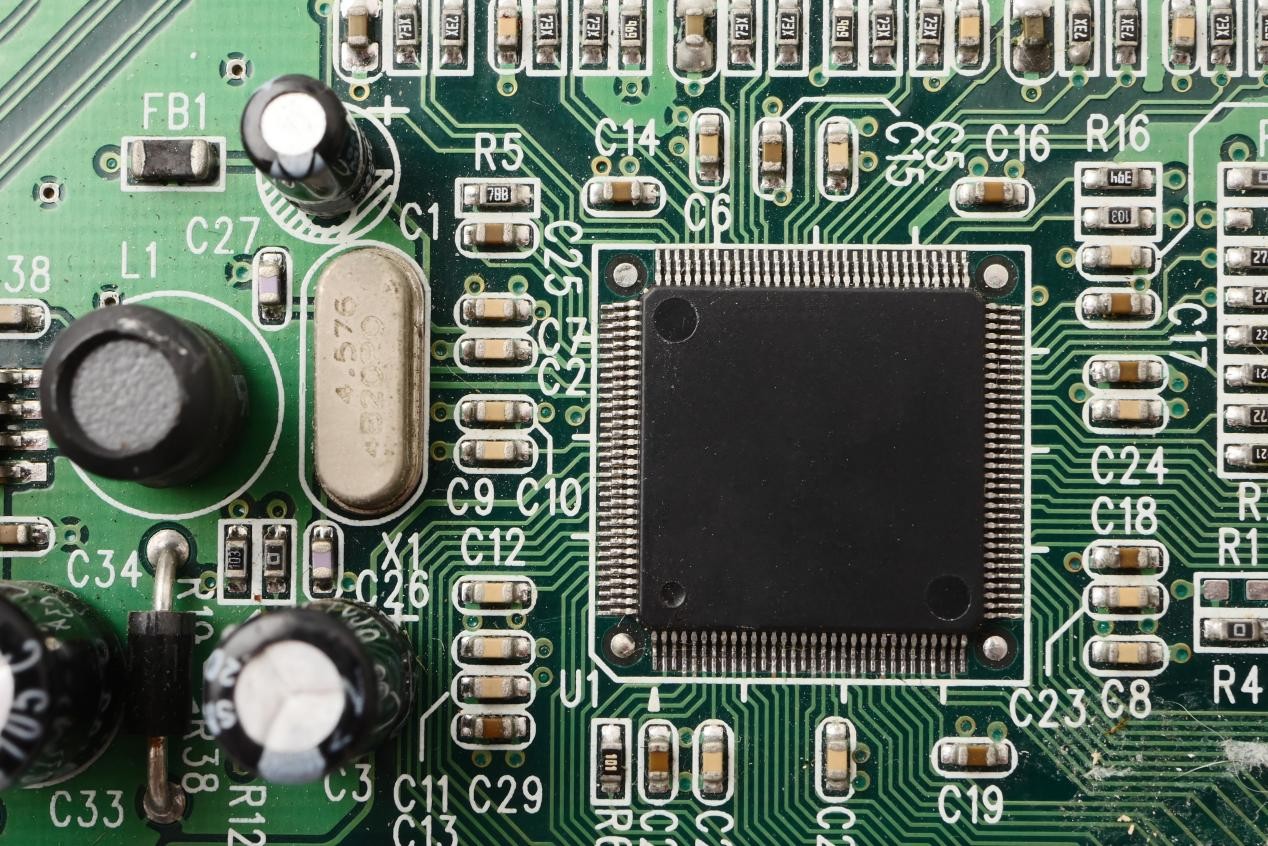
PCB Design Using Industry-Standard Tools is a hands-on workshop that introduces students to the complete PCB development flow using professional design software such as KiCad / EasyEDA / Altium Designer. The workshop focuses on schematic capture, component library management, footprint creation, design rules, and PCB layout techniques for reliable and manufacturable circuit boards. Through guided, tool-based exercises, participants design single- and multi-layer PCBs and generate fabrication outputs including Gerber files, drill files, and bill of materials (BOM). Emphasis is placed on best practices such as signal integrity, power routing, grounding, and design for manufacturing, enabling students to gain practical experience in converting electronic circuits into real-world hardware designs.